

Nathan M
-
Posts
2 -
Joined
-
Last visited
Everything posted by Nathan M
-
Tracking angle limit and effect on daytime production
Nathan M replied to Nathan M's topic in Shadings and tracking
Thanks Michele, With different interpolation limits, would this mean that the tracker angles should be slightly different across the day, even at the same time stamp? The average tracker angles are the same across the middle of the day - is the difference being lost in a rounding error? Cheers -
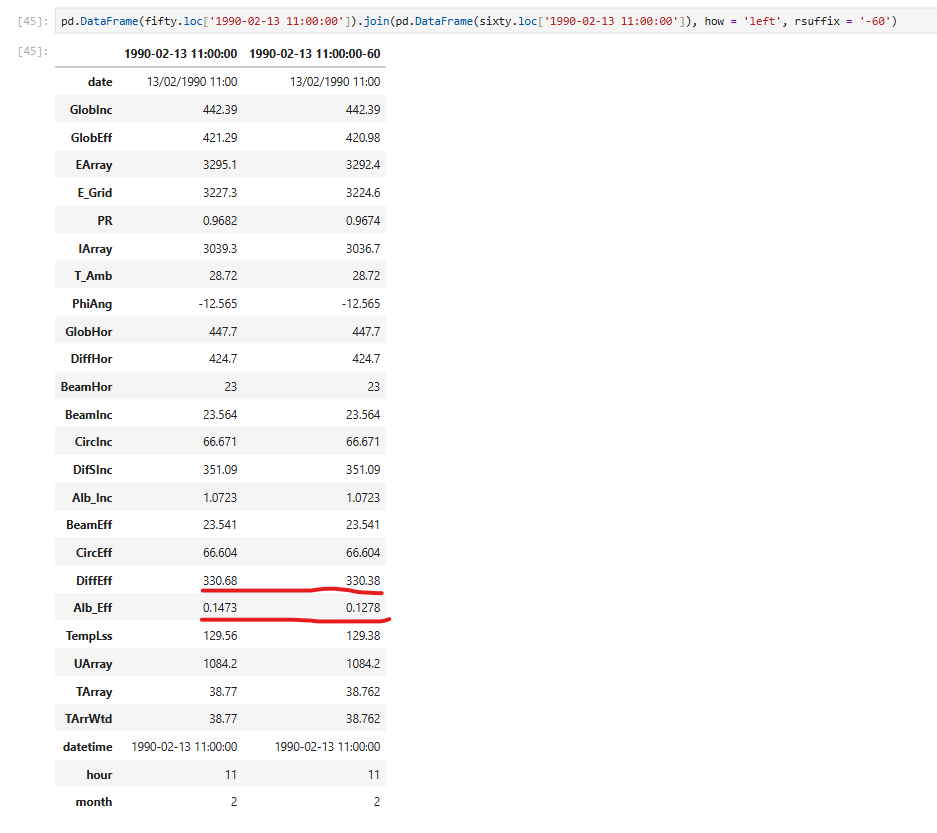
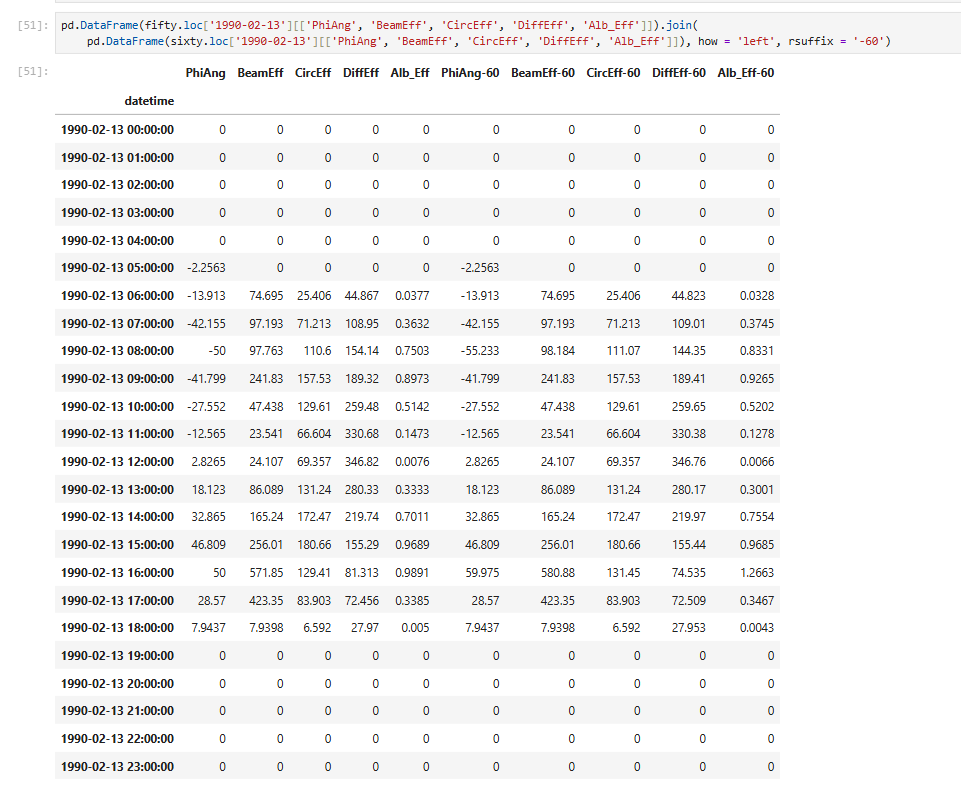
Hi PVSyst team, I've been doing some investigation into the effect of how energy production is affected by changing the SAT tracker angle limit from 50deg to 60deg. I've created a project with a SAT with +/-50 degrees tracking limit (PhiAng). I've copied this project and changed the tracking limit to +/-60 degrees (PhiAng). No other parameter or input was changed - same weather file, same components, no changes to tracker geometry, 3D model or site configuration. Interestingly, output reduces slightly with a +/-60 degrees limit. While investigating this reduction, it appears that I'm getting a difference in effective irradiance components between the 50 degree and 60 degree simulations at times when the trackers are at the same phi angle. I'm assuming that the difference in calculated effective irradiance components is then driving the differences seen in temperatures, current and energy production. I have attached a screenshot of a single timestamp for both simulations, and a comparison of effective irradiance components and PhiAng across an entire day. At the time shown (11 am, southern hemisphere summer), the two systems should be in *identical* states (same weather data, same system definition, geometry and layout, well outside any periods of backtracking), any ideas why changing the only tracker angle limit would result in these different calculated irradiance values? Thanks